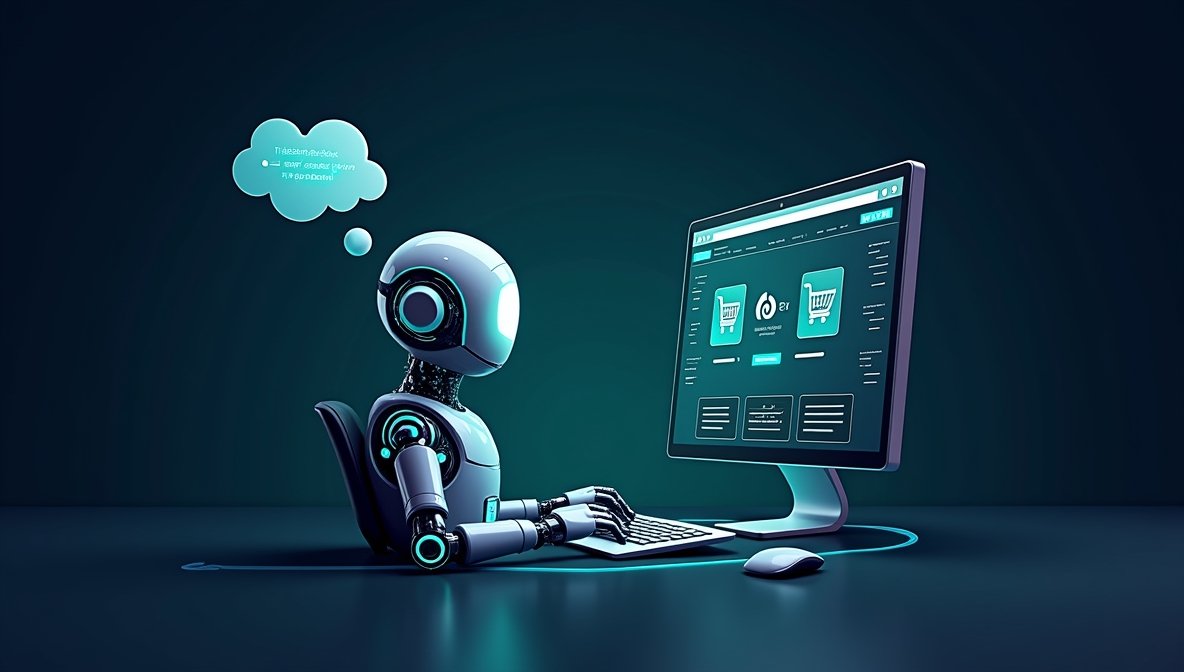
In today’s fast-changing digital economy, businesses can no longer rely only on physical operations or traditional selling models. Digital transformation has become a necessity, not an option. One of the most effective strategies companies adopt today is integrating e commerce into business programgeeks, which allows organizations to expand reach, improve efficiency, and remain competitive. This article explores how businesses can successfully adopt e-commerce, the benefits involved, common challenges, and long-term growth opportunities.
Understanding the Concept of E-Commerce Integration
E-commerce integration refers to the process of connecting online sales channels with existing business systems such as inventory management, accounting, marketing, and customer support. Instead of running systems separately, integration ensures everything works together smoothly.
When businesses adopt integrating e commerce into business programgeeks, they create a unified digital ecosystem. This approach reduces manual work, minimizes errors, and allows real-time data sharing across departments.
Why Digital Transformation Is Essential for Modern Businesses
Changing Customer Expectations
Customers now expect convenience, speed, custom payment programgeeks and personalization. They want to browse, compare, and purchase products online without friction.
Competitive Market Pressure
Businesses that fail to adapt digitally often lose customers to competitors who offer smoother online experiences. Adopting integrating e commerce into business programgeeks helps companies stay relevant in competitive markets.
Scalability and Growth
Digital platforms allow businesses to scale faster without the heavy costs of physical expansion.
Key Benefits of E-Commerce Integration for Businesses
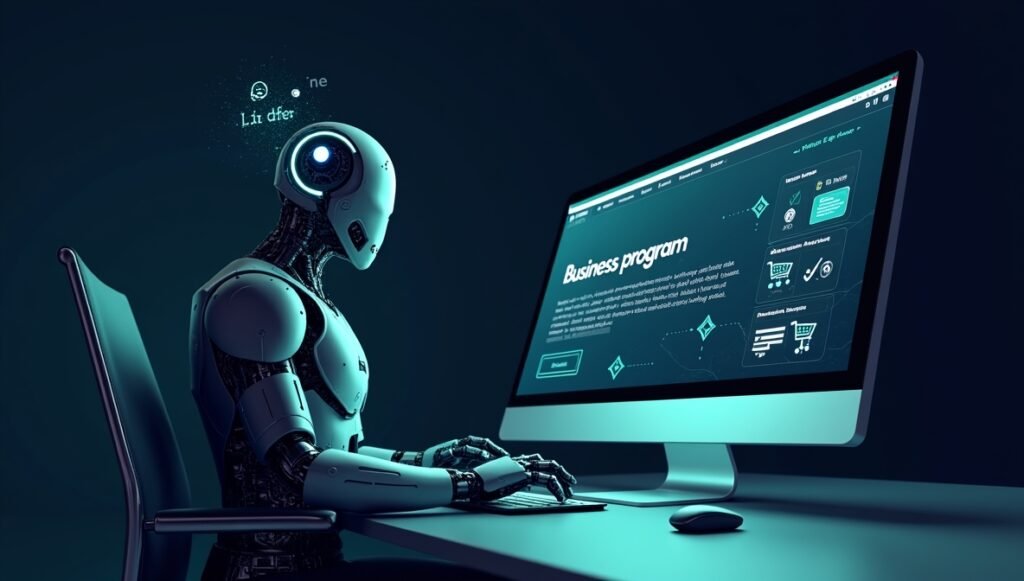
Improved Operational Efficiency
Integrated systems automate order processing, inventory updates, and payment handling. This reduces human error and saves time.
Better Customer Experience
Customers enjoy faster checkouts, accurate stock availability, and consistent communication when systems are connected.
Data-Driven Decision Making
With integrating e commerce into business programgeeks, businesses gain access to real-time analytics that help improve marketing and sales strategies.
How E-Commerce Integration Supports Business Programs
Business programs focus on growth, optimization, and sustainability. E-commerce integration strengthens these goals by aligning digital tools with operational strategies.
When companies apply integrating e commerce into business programgeeks, they can align online sales with training programs, digital workflows, and innovation strategies. This results in smoother adoption and better outcomes.
Technology Components Involved in E-Commerce Integration
Payment Gateways
Secure payment systems ensure safe and reliable transactions for customers.
Inventory Management Systems
Real-time inventory syncing prevents overselling and stock shortages.
CRM and Marketing Tools
Customer data integration allows personalized marketing and improved engagement.
Through integrating e commerce into business programgeeks, these technologies work together as one system instead of isolated tools.
Challenges Businesses Face During Integration
Technical Complexity
Integration requires technical expertise and careful planning to avoid system conflicts.
Data Security Concerns
Protecting customer data is critical when systems are interconnected.
Resistance to Change
Employees may resist new systems due to lack of training or fear of technology.
Despite these challenges, businesses that commit to integrating e commerce into business programgeeks often see long-term success.
Best Practices for Successful E-Commerce Integration
Start with Clear Goals
Businesses should define objectives such as increasing sales, improving customer service, or expanding markets.
Choose Scalable Platforms
Selecting flexible platforms ensures long-term growth without frequent system changes.
Invest in Training
Employee training is essential for smooth adoption of integrated systems.
Applying these practices makes integrating e commerce into business programgeeks more effective and sustainable.
Role of E-Commerce in Business Growth Strategy
E-commerce is no longer just a sales channel—it is a growth engine. It enables businesses to test new products, enter global markets, and respond quickly to customer needs.
Companies using integrating e commerce into business programgeeks often experience improved brand visibility, increased revenue streams, and stronger customer relationships.
Future Trends in Business E-Commerce Integration
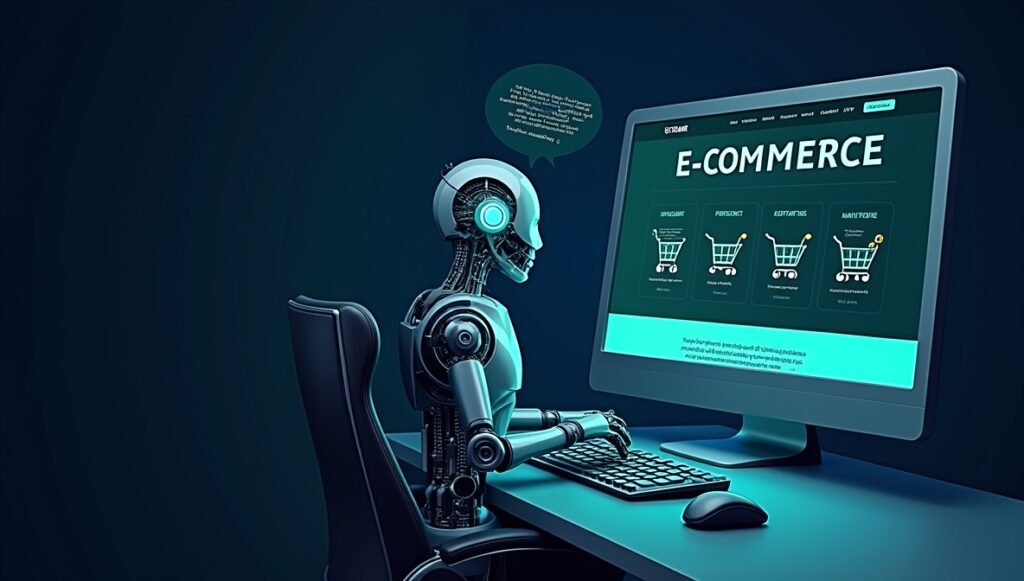
AI and Automation
Artificial intelligence helps personalize customer experiences and automate operations.
Mobile Commerce Growth
Mobile-first strategies are becoming essential as more users shop via smartphones.
Omnichannel Integration
Seamless experiences across online and offline channels define future success.
Businesses preparing for these trends through integrating e commerce into business programgeeks gain a competitive edge.
Measuring Success After Integration
Performance Metrics
Sales growth, conversion rates, and customer retention are key indicators.
Customer Feedback
User reviews and engagement levels show how well systems perform.
Continuous Optimization
Regular updates and improvements ensure long-term success.
Organizations that track results after integrating e commerce into business programgeeks can refine strategies effectively.
FAQs People Are Searching For
What does e-commerce integration mean for businesses?
E-commerce integration means connecting online sales platforms with internal business systems like inventory, accounting, and customer management. This creates smoother operations, reduces manual work, and improves overall efficiency.
Why should small businesses adopt e-commerce integration?
Small businesses benefit from automation, wider market reach, and improved customer experience. Integration helps them compete with larger companies while keeping operational costs manageable.
Is e-commerce integration expensive?
The cost depends on platform choice and business size. However, long-term benefits such as efficiency, scalability, and increased revenue usually outweigh initial investment costs.
How long does e-commerce integration take?
Integration timelines vary based on system complexity. Simple setups may take weeks, while advanced integrations can take several months to complete properly.
Can traditional businesses shift to e-commerce successfully?
Yes, traditional businesses can transition successfully by planning carefully, training staff, and adopting the right digital tools aligned with business goals.
Conclusion
E-commerce integration has become a critical step for businesses aiming to thrive in the digital era. By aligning technology with business programs, companies can improve efficiency, enhance customer experience, and unlock new growth opportunities. Organizations that embrace integrating e commerce into business programgeeks position themselves for long-term success in an increasingly competitive marketplace.